

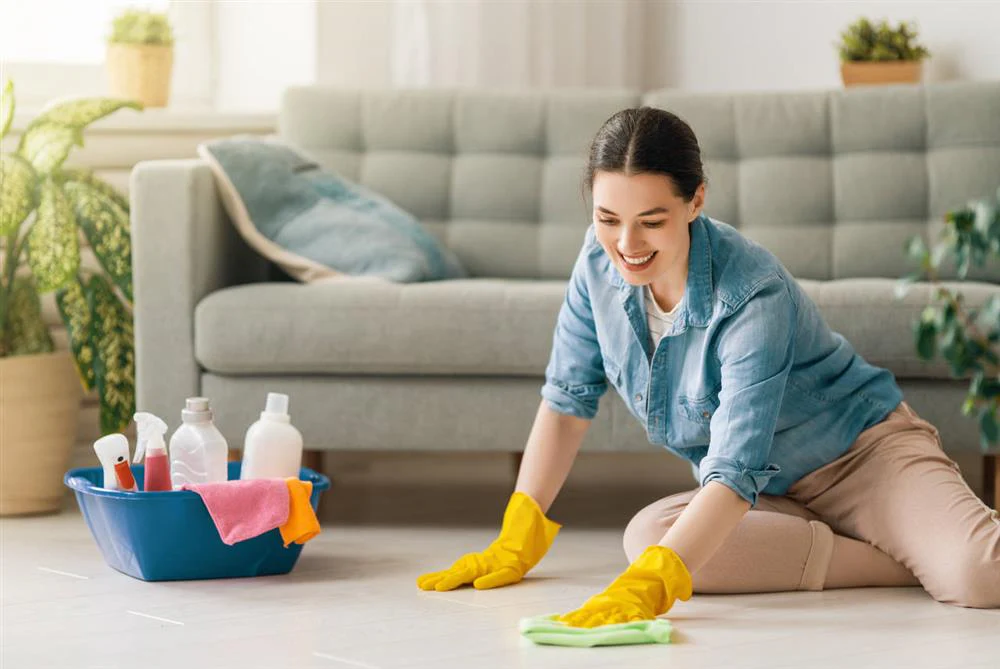
Cleaning is one of the most essential daily tasks, often overlooked in its importance. Whether in the home, workplace, or public spaces, maintaining cleanliness plays a crucial role in promoting health, enhancing productivity, and contributing to overall well-being. However, cleaning is not just about tidying up; it’s a systematic process that involves the removal of dirt, germs, and clutter to maintain an organized and sanitary environment. This article will explore the significance of cleaning, the different types of cleaning, and tips for efficient cleaning.
The Importance of Cleaning
1. Health Benefits
Cleaning is directly linked to health. Dust, dirt, and allergens can accumulate in various areas of the home or workplace, causing respiratory problems, skin irritation, and other health issues. Regular cleaning helps reduce the build-up of harmful microorganisms like bacteria and viruses that thrive in unhygienic environments. In particular, high-traffic areas such as kitchens and bathrooms should be sanitized frequently to avoid contamination.
In a study conducted by the Centers for Disease Control and Prevention (CDC), proper cleaning and disinfecting of surfaces were shown to reduce the spread of infections, particularly in public and communal spaces. In homes, especially where children or elderly family members reside, maintaining a clean environment can prevent the onset of diseases like flu, cold, and even foodborne illnesses.
2. Mental and Emotional Well-Being
A cluttered or untidy space can negatively impact mental health. Research suggests that living or working in a disorganized environment can increase stress levels and contribute to feelings of anxiety or depression. On the other hand, a clean and organized space can foster calmness, increase focus, and improve overall mood. The act of cleaning itself can also serve as a form of stress relief, providing a sense of accomplishment and control over one’s surroundings.
3. Increased Productivity
In workplaces, cleanliness is directly tied to productivity. Employees tend to be more efficient when they are in a clean and organized environment. Cluttered desks and dirty common areas can be distracting and hinder performance. On the other hand, well-maintained spaces are conducive to clearer thinking and better focus, helping individuals accomplish tasks more quickly and efficiently. In fact, many companies have started investing in professional cleaning services to ensure that their workspaces are always pristine.
Types of Cleaning
Cleaning can be broadly categorized into different types, each suited for specific needs and environments. Here are some of the most common types:
1. Regular Cleaning (Routine Cleaning)
Regular cleaning involves maintaining cleanliness on a daily, weekly, or monthly basis. This type of cleaning typically includes tasks such as dusting, sweeping, mopping, and wiping down surfaces. Regular cleaning helps prevent dirt and grime from accumulating and ensures that the environment remains tidy and pleasant.
2. Deep Cleaning
Deep cleaning is a more thorough and intensive process compared to regular cleaning. It involves cleaning areas that are often overlooked, such as behind furniture, baseboards, or inside appliances. Deep cleaning is typically performed less frequently, perhaps once a month or during seasonal transitions, but it’s essential to remove stubborn dirt, germs, and allergens that might not be addressed in routine cleaning.
3. Disinfection and Sanitization
While cleaning focuses on removing dirt and dust, disinfection and sanitization go a step further to kill harmful pathogens and bacteria. This is particularly important in areas such as bathrooms, kitchens, and hospitals, where germs can spread quickly. Using disinfectants that are proven to kill viruses and bacteria is crucial for preventing the spread of diseases, especially in high-touch areas like doorknobs, light switches, and countertops.
4. Specialized Cleaning
Specialized cleaning refers to tasks that require specialized knowledge or equipment, such as carpet cleaning, window cleaning, and upholstery cleaning. These tasks often require specific tools or cleaning agents to be done effectively and without causing damage to the surfaces being cleaned.
5. Eco-friendly Cleaning
In recent years, there has been a growing awareness of the environmental impact of traditional cleaning products. Many commercial cleaning agents contain harsh chemicals that can be harmful to the environment and human health. As a result, eco-friendly cleaning has gained popularity. This involves using natural or biodegradable products, such as vinegar, baking soda, or plant-based cleaners, to minimize harmful chemicals in cleaning processes. Eco-friendly cleaning not only reduces the risk of exposure to toxic substances but also ensures a more sustainable approach to maintaining cleanliness.
Cleaning Tips for Different Spaces
1. Home Cleaning
Home cleaning is crucial for creating a safe and comfortable living environment. Some practical cleaning tips include:
- Establish a cleaning routine: Create a weekly or bi-weekly cleaning schedule to stay on top of tasks like vacuuming, mopping, and dusting.
- Tackle high-touch areas: Wipe down doorknobs, light switches, and remote controls frequently, as these areas are breeding grounds for germs.
- Organize as you clean: Decluttering as part of the cleaning process helps maintain an orderly space. It also makes cleaning easier by reducing the amount of items to work around.
2. Office and Workplace Cleaning
In office environments, cleaning contributes to productivity and employee well-being. Regular cleaning of shared spaces like kitchens, break rooms, and bathrooms is necessary to maintain hygiene. For individual workspaces, it’s important to regularly wipe down desks and electronics to prevent the spread of germs. To maintain cleanliness without disrupting work, many offices now hire professional cleaning services that come after hours.
3. Restaurant and Foodservice Cleaning
For restaurants and foodservice businesses, cleaning is a top priority for both health and customer satisfaction. Cleaning in these environments must follow strict hygiene protocols to ensure food safety and prevent cross-contamination. This includes routine cleaning of surfaces, appliances, and kitchen equipment, as well as regular hand washing and sanitizing by staff. Additionally, keeping public restrooms spotless and well-stocked is key to maintaining a positive reputation.
Tools and Supplies for Cleaning
The right tools make cleaning more efficient and effective. Common cleaning tools include:
- Brooms and dustpans for sweeping up debris.
- Mops and buckets for wet cleaning of floors.
- Microfiber cloths which are highly absorbent and effective for dusting and wiping surfaces.
- Vacuum cleaners for carpets, rugs, and hard floors.
- Disinfecting wipes for quick sanitation of high-touch areas.
- Brushes for scrubbing stubborn dirt, especially in bathrooms and kitchens.
Cleaning products include general-purpose cleaners, glass cleaners, degreasers, and disinfectants. When choosing products, it’s important to consider the surfaces being cleaned and whether the products are suitable for those materials.
The Psychology of Cleanliness
Cleanliness is often associated with a sense of control, order, and personal well-being. The act of cleaning itself can be cathartic, offering a sense of accomplishment and the satisfaction of having improved one’s environment. Moreover, clean spaces are linked to perceptions of professionalism, competence, and care—qualities that can enhance social interactions in both personal and professional settings.
Conclusion
Cleaning is far more than just a chore—it’s an essential activity that impacts health, well-being, productivity, and mental clarity. Whether it’s your home, office, or public space, cleanliness plays a critical role in fostering an environment that is both functional and inviting. By understanding the different types of cleaning and adopting best practices for each space, we can ensure that we maintain a safe, organized, and healthy environment for ourselves and those around us.
Incorporating routine cleaning into daily life doesn’t just make our surroundings more pleasant—it also contributes to a healthier, happier, and more productive lifestyle. So, next time you grab a mop or a vacuum, remember that you’re not just cleaning; you’re investing in your overall well-being.
 Finn
Finn